The garage door is an essential part of your home, providing security and ease of access. However, like any other mechanical component, it requires regular maintenance and repairs to function correctly. In this article, we will explore the signs indicating that your garage door may be in need of repair and how to address these issues appropriately.
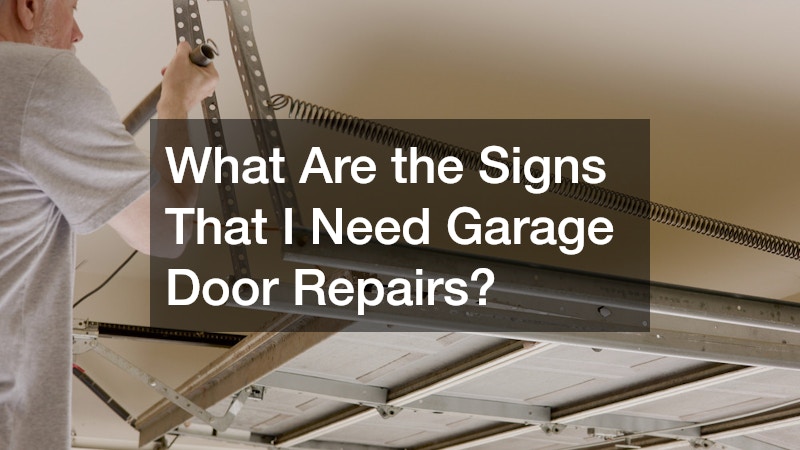
1. How Can I Tell If My Garage Door Needs Repairs?
Recognizing when your garage door needs repairs is crucial for maintaining home security and convenience. One of the first signs is if the door doesn’t open or close smoothly.
You might notice it jamming or stopping mid-way. Another indicator is excessive noise while operating the door. If it scrapes or grinds loudly upon motion, it’s likely due to wear and tear that needs addressing.
The appearance of the door itself can also offer clues. Look for any sagging sections or misalignment in the panels. Physical damage like dents or cracks can compromise its efficiency and should be assessed promptly. Additionally, if you find the remote or wall switch is unresponsive, this could signal issues with the door’s electronic components. Regular inspections can help catch these signs early.
Another important sign is if the garage door moves in an uneven manner. This can result from problems with the springs, cables, or rollers, which are pivotal for balanced operation. Listening for any strange noises or experiencing difficulty during manual operation could also indicate maintenance is required. Observing these signs early on can prevent more extensive, costly issues down the road.
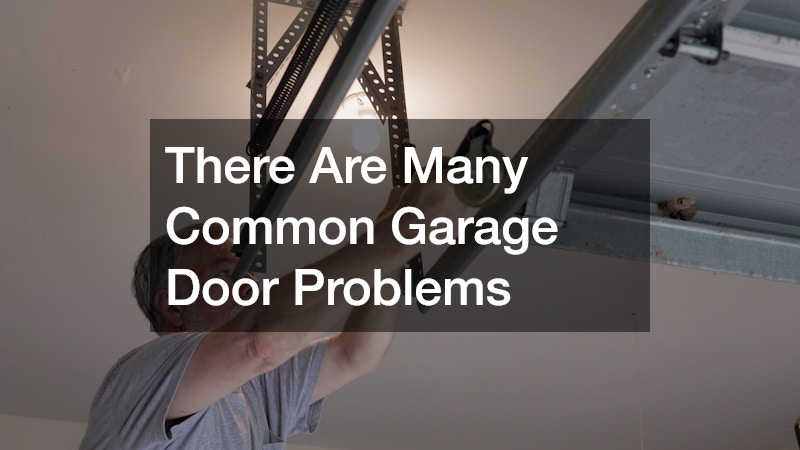
2. What Are Common Garage Door Problems?
Garage doors can suffer from a variety of issues, many of which stem from regular use and lack of maintenance. One common problem is worn-out springs, which can cause difficulty in lifting the door. This is particularly problematic for garage doors that rely on tension springs for balance and movement. Another frequent issue is broken cables, which can cause the door to go off track. These components often wear out concurrently, so regular checks can prevent sudden failures.
Electrical issues are another set of common problems faced by homeowners. Malfunctions in the garage door opener could arise from faulty wiring or misalignment with the door sensors. The opener’s motor could also fail, rendering the door unusable until repaired. Garage door sensors are crucial for safety, and any misalignment might stop the door from closing properly, causing potential security risks. It’s important to ensure all electrical aspects are functioning well.
Lastly, problems with the rollers and tracks can lead to garage door difficulties. If the tracks become bent or misaligned, it can impede the door’s operation. Rollers that have worn out or become stuck will prevent smooth movement, often leading to an irregular or jerky motion. Lubrication issues can also contribute to these failures. Addressing these common problems through regular maintenance is crucial to prevent bigger repairs in the future.
3. Why Is My Garage Door Making Loud Noises?
Loud noises emanating from your garage door are usually indicators of underlying issues. The source of the noise can often be traced to worn-out rollers that no longer glide smoothly. As these parts degrade, they will create friction, leading to screeching or grinding sounds. Lubricating the moving parts regularly can mitigate this problem effectively. Failing to do so can result in further damage and the need for part replacements.
Another possible cause of noise is loose hardware. Over time, components like nuts, bolts, and screws can become loose, resulting in rattling sounds. Regularly tightening these connections can prevent these noises and promote the stable operation of your garage door. Moreover, vibrations from opening and closing can exacerbate these loose fittings, potentially leading to more significant structural issues if not corrected. Therefore, conducting periodic checks can help identify and resolve such issues.
The springs and chains of the garage door system can also contribute to loud noises. Over-stressed springs might emit popping or banging sounds, signaling potential fatigue or breakage. Chain-driven systems may also become noisy if the chains are too tight or too loose. Adjusting these components and applying lubricant can reduce noise levels significantly. Identifying the source of the noise early on is essential for maintaining a well-functioning garage door.
4. How Much Does Garage Door Repair Typically Cost?
The cost of garage door repairs can vary widely depending on the nature and extent of the issue. Simple fixes such as repairing a remote or sensor might cost between $50 and $100. More substantial repairs, like replacing faulty springs or cables, might range from $150 to $350. If the garage door opener requires replacement, costs could rise to between $350 and $500. These prices can fluctuate depending on labor rates and material quality.
Additional costs might be incurred if more significant issues have developed due to neglected maintenance. For instance, a complete garage door replacement can be costly, potentially ranging from $800 to $1,500. If structural components of the garage framework are compromised, further expenses will be needed to rectify these issues. It’s important to consider that regular maintenance can mitigate high repair costs in the long run. Preventative care such as lubrication, tightening components, and minor adjustments is an investment in avoiding expensive measures later.
Professional garage door service providers may offer packages for regular maintenance that can be cost-effective. These packages often include checks on key components, adjustments, and lubrication services. Bundling these services may reduce overall costs compared to reactive repairs. Establishing a professional relationship with a trusted service provider can ensure quality workmanship and potentially save money on future repairs. Comprehensive care for your garage door system ensures lasting performance and reliability.
5. Can I Repair My Garage Door Myself?
Many homeowners might be tempted to take on garage door repairs themselves in order to save money. While minor issues like cleaning sensors or tightening screws can be safely done by DIY enthusiasts, more complex repairs require caution. Handling torsion springs, for example, can be incredibly dangerous without proper tools and expertise due to the high tension. Therefore, it is recommended to consult or hire professionals for such intricate tasks to ensure safety and proper function.
Attempting to repair electrical components without experience poses significant risks as well. Faulty handling can lead to additional damage or even injury. Additionally, proper diagnosis of garage door issues can sometimes be complex, requiring experienced hands to identify subtle problems. Misdiagnosing a problem could lead to incomplete or ineffective repairs, ultimately exacerbating the issue. Professionals can provide warranties on their work, adding peace of mind that the repair will last.
It is essential to weigh the costs and benefits of DIY versus professional repairs. While minor repairs and maintenance tasks can be managed by homeowners with basic tools and a guide, larger repairs are best left to experts. An incorrect repair can sometimes lead to further damage, which can be more expensive to fix than the original issue. Safety should always be a priority when considering garage door repairs, emphasizing the need for appropriate risk evaluation. Investing in professional services can ensure quality work and could be a cost-effective measure in the long run.
Understanding the signs that your garage door needs repair is crucial in maintaining its functionality and ensuring your safety. Addressing issues promptly can prevent more significant problems and save money in the long run. Whether you choose to repair it yourself or hire a professional, regular maintenance shouldn’t be overlooked. Being proactive about checking for signs of wear and tear, and understanding common problems can enhance the longevity of your garage door system. A well-maintained garage door not only secures your home but also provides convenience and adds value to your property.