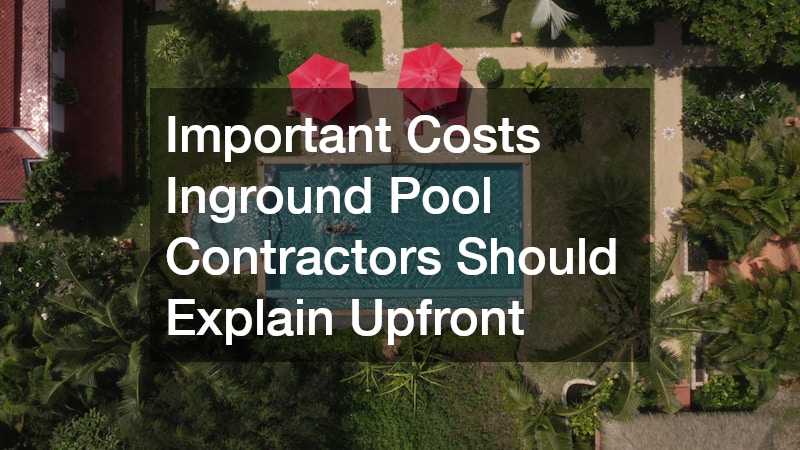
Transparency in cost communication from inground pool contractors is essential for homeowners planning a major outdoor investment. Clear pricing allows buyers to make informed decisions and budget confidently. When costs are not clearly explained upfront, homeowners may face unexpected expenses that can quickly overshadow the enjoyment of owning an inground pool.
What Are the Different Types of Inground Pools and Their Costs?
Fiberglass Pools
Fiberglass pools are valued for their smooth finish, durability, and relatively low maintenance requirements. While the initial installation cost is typically higher than vinyl options, long-term expenses tend to be lower. Their non-porous surface resists algae buildup, which reduces chemical usage and cleaning time.
Another advantage is faster installation, as fiberglass pools are pre-molded and set into place. However, design flexibility is limited to available shapes and sizes. Custom features may increase costs, but overall ownership expenses remain predictable.
Vinyl Liner Pools
Vinyl liner pools often appeal to homeowners looking for lower upfront costs. Installation is generally less expensive than fiberglass or concrete pools, making them accessible for tighter budgets. However, liners typically require replacement every 5 to 9 years, which adds recurring expenses over time.
Vinyl pools allow greater flexibility in shape and size, making them a popular choice for customized layouts. The smooth surface is comfortable underfoot but more vulnerable to punctures or tears.
Concrete (Gunite) Pools
Concrete pools offer unmatched customization, allowing homeowners to create complex shapes, depths, and finishes. This flexibility comes with the highest installation costs among pool types. Concrete pools also require more extensive maintenance due to their porous surfaces.
Routine chemical balancing, resurfacing, and occasional acid washing are common ongoing expenses. Despite higher long-term costs, many homeowners choose concrete pools for their luxury appeal and design freedom.
What Are the Hidden Costs of Inground Pools?
Permit and Inspection Fees
Permits and inspections are often overlooked but necessary costs. Fees vary based on location, pool size, and local regulations. Most municipalities require multiple inspections throughout construction to ensure safety and compliance.
Failing to obtain proper permits can result in fines, project delays, or required reconstruction. Experienced inground pool contractors typically assist homeowners in navigating these requirements, but costs should still be clearly outlined in advance.
Landscaping and Hardscaping
Installing a pool often requires modifying the surrounding landscape. Landscaping and hardscaping expenses can include grading, drainage adjustments, patios, retaining walls, or fencing. These costs vary widely depending on property conditions and design preferences.
While optional, landscaping significantly enhances the pool’s visual appeal and usability. Coordinating these features early helps prevent budget overruns. Reputable inground pool contractors often collaborate with landscape professionals to ensure cohesive and cost-effective designs.
Ongoing Maintenance and Repairs
Routine maintenance is a recurring cost of pool ownership. Cleaning, chemical balancing, equipment servicing, and seasonal opening or closing services all contribute to annual expenses. Neglecting maintenance can lead to costly repairs, such as pump failures or surface damage.
Homeowners should ask which maintenance services are included and which are optional. Long-term costs may also include upgrades like automated controls, lighting, or safety features that enhance usability but increase expenses.
How Do Utility Costs Affect Pool Ownership?
Water Supply Costs
Filling an inground pool requires a substantial amount of water, and evaporation adds ongoing refill costs. Water rates vary by region, making this an important budget consideration.
Installing pool covers or water-efficient systems can reduce evaporation and long-term expenses. Pool contractors should explain how water usage affects utility bills, especially in areas with usage restrictions or tiered pricing.
Electrical Costs
Electricity is another major operational cost. Pumps, filters, heaters, and lighting all increase monthly utility bills. Energy-efficient pumps and LED lighting can significantly reduce long-term electrical expenses.
Smart pool systems allow homeowners to optimize run times and reduce waste. Discussing equipment efficiency upfront helps homeowners balance performance with operating costs.
Heating Options and Costs
Pool heating extends the swimming season but adds high costs. Solar, gas, and electric heaters each have different installation and operating expenses. Solar heaters have higher upfront costs but lower long-term expenses, while gas heaters offer quick heating at a higher monthly cost.
Choosing the right heating option depends on climate, usage frequency, and budget. Evaluating long-term savings helps homeowners avoid regret after installation.
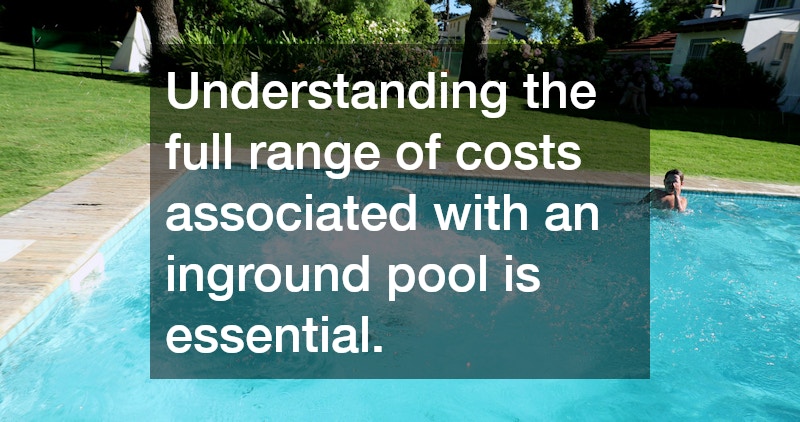
Understanding the full range of costs associated with an inground pool is essential for a positive ownership experience. Transparent communication from inground pool contractors helps homeowners budget accurately and avoid surprises. When costs are clearly explained upfront, homeowners can confidently invest in a pool that delivers lasting enjoyment, comfort, and value.