
Maintaining a home can often be perceived as a challenging and daunting task, yet this responsibility is crucial for ensuring that the living environment remains safe, efficient, and comfortable for all its occupants. A well-maintained home not only serves as a sanctuary where one can relax and unwind but also acts as a significant investment whose value can be preserved and enhanced with regular care and attention. The undertaking of periodic improvements or updates to the home not only has the advantage of enhancing its aesthetic appeal, making it more pleasing to the eye and more comfortable to live in, but it also has the potential to significantly bolster the overall property value. This increase in value is especially beneficial should the homeowner decide to sell or refinance in the future, offering a notable financial advantage.
Homeowners, therefore, should always remain vigilant and attentive, actively searching for indications or signs that suggest the possible need for updates or repairs within their home. These signs can emerge in a variety of forms, such as physical wear and tear, outdated features, or even functional inefficiencies within the house’s systems. For instance, when paint begins to chip, carpets appear worn, or fixtures look dated, it might be time for a refresh. Another example could be outdated technology or appliances that no longer operate at peak efficiency, which could lead to higher energy bills and reduced comfort. Such updates, whether they involve significant renovation projects or small-scale maintenance tasks, play a vital role in keeping a home not only visually attractive but also functionally effective and environmentally sustainable. By diligently monitoring the condition of their home and proactively addressing potential issues, homeowners can enjoy the added peace of mind that comes with knowing that their home remains in prime condition.
1. How do I know if I need roofing repairs?

1.1 Identifying damage to your roof
A damaged roof can often go unnoticed until it’s too late. Look out for missing shingles, water spots on your ceilings, or sagging roof lines. It’s crucial to inspect the roof regularly to preempt any costly damage.
1.2 When to call a professional roofing contractor
Once you identify potential issues, the next step is consultation. Roofing repairs should be handled by experts who understand weather impacts and material durability. A professional assessment can save you from more extensive repairs down the line.
1.3 Long-term costs of delaying roofing repairs
Ignoring minor roof issues can lead to substantial future costs. Water damage, compromised insulation, and structural weakening are real threats. Addressing problems early on preserves your roof’s integrity and lowers renovation costs.
2. When should I contact siding contractors?
2.1 Signs of siding deterioration
Siding is a home’s first line of defense against the elements. Peeling, cracking, and fading are clear signs of deterioration. Protect your investment by diagnosing and addressing these symptoms promptly.
2.2 Benefits of modern siding materials
The advancements in siding technology offer homeowners more resilient and attractive options. Materials like fiber cement provide increased insulation and lower maintenance needs. Modern siding improves aesthetic and functional value.
2.3 How to choose the right siding contractors
One of the foremost steps in the selection process is to seek out contractors who have a demonstrable track record of excellence. This can often be evidenced by a robust portfolio of past work. A portfolio serves as a visual testament to a contractor’s capabilities and style, helping you gauge whether their design and craftsmanship align with your vision. By examining previous projects, you gain insights into the contractor’s versatility and attention to detail. It also affords you the opportunity to verify the quality of their work through the experiences of other satisfied customers.
Additionally, a valuable siding contractor does not merely focus on the labor aspect of the project but takes a holistic approach by offering guidance on materials and project scope. There are a plethora of siding materials available, including vinyl, wood, fiber cement, and others, each with its unique benefits and maintenance requirements. An experienced contractor will enlighten you on the pros and cons of each option, helping you make a well-informed decision that aligns with both your aesthetic preferences and budgetary constraints.
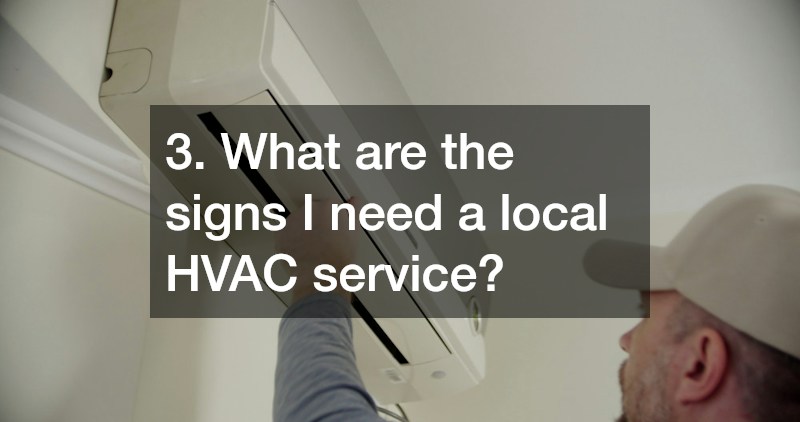
3. What are the signs I need a local HVAC service?
3.1 Inefficiencies in your heating and cooling system
Inconsistencies in temperature, increasing energy bills, and odd noises are red flags. Local HVAC services can conduct an audit to ensure systems run efficiently. Regular maintenance keeps energy consumption in check and prolongs system life.
3.2 Seasonal maintenance tips for HVAC systems
Seasonal changes demand adjustments and checks for HVAC systems. Cleaning or replacing filters, sealing leaks, and thermostat calibration are essential tasks. A certified local HVAC service provides preventative measures to optimize performance.
3.3 The importance of professional HVAC inspections
Professional inspections play a crucial role in identifying risks and potential issues that might typically go unnoticed by those without specialized training. Experienced professionals, equipped with the knowledge and expertise, can discern subtle signs of wear and tear, inefficiencies, or minor faults that could escalate into major problems if left unattended. By meticulously scrutinizing every component and system operation, these experts can diagnose underlying issues that are invisible to the untrained eye, ensuring that potential problems are addressed before they develop into costly repairs or lead to a complete system failure.
Local HVAC services have the added advantage of utilizing cutting-edge diagnostic tools to offer comprehensive evaluations of heating and cooling systems. These advanced tools and technologies facilitate a deeper analysis, enabling professionals to provide precise evaluations and data-driven insights. This scientific approach ensures that every aspect of the system is thoroughly inspected, from air filters and thermostats to ductwork and ventilation, emphasizing a complete and holistic assessment rather than a simplistic overview.
4. How can a plumbing company help with home updates?
4.1 Identifying plumbing problems
Signs of plumbing issues often mimic regular wear. Slow drainage, frequent clogs, and low water pressure indicate underlying problems. Engaging a professional plumbing company can help diagnose and remediate these issues.
4.2 Upgrading to water-efficient fixtures
Switching to water-efficient fixtures offers environmental and economic benefits. Modern designs reduce water wastage while maintaining performance. A plumbing company can provide insights on optimal fixture choices.
4.3 Common plumbing services and repairs
Routine checks and minor repairs can immensely improve your system’s longevity. Tasks like fixing leaks, updating pipework, and maintaining sewer lines are common. A reliable plumbing company ensures these tasks are efficiently handled.
5. Is my furnace due for repair or replacement?
5.1 Warning signs your furnace is failing
Frequent breakdowns, strange noises, and rising heating costs are tell-tale signs. Immediate action is crucial to prevent a complete system failure. Regular inspections help identify the need for furnace repair or replacement.
5.2 Benefits of upgrading your furnace
New furnaces are often more energy-efficient and environmentally friendly. Upgrading reduces long-term energy costs and increases home comfort. An updated system provides consistent and reliable heating.
5.3 DIY furnace maintenance tips
Simple maintenance can extend your furnace’s life. Regular filter changes and thermostat checks keep systems running smoothly. However, never hesitate to call professionals for comprehensive furnace repair when needed.
6. What should I consider when visiting flooring stores?

6.1 Comparing different types of flooring materials
Choices range from hardwood to tile, each offering distinct advantages. Consider longevity, maintenance, and aesthetic in your decision. Flooring stores can provide samples and expert advice tailored to your space.
6.2 Budget-friendly flooring options
Renovating doesn’t mean breaking the bank. Flooring stores offer a range of budget materials that mimic more expensive options. Always compare durability and quality, focusing on long-term investment over initial cost.
6.3 Trends in modern floor design
Bias towards sustainable, eco-friendly materials is noticeable in current trends. Adding texture and natural tones can elevate any space. Flooring stores can suggest fresh ideas that align with these contemporary styles.
7. Why consider new carpets from a carpet store?
7.1 Signs your carpet needs replacement
Stains, persistent odors, and worn patches suggest it’s time for an update. Carpets often harbor allergens, impacting air quality. Regular assessment ensures your space remains fresh and inviting.
7.2 Advantages of new carpet technologies
Today’s carpet technologies offer stain resistance and improved durability. Modern fibers can mimic natural materials without additional maintenance. Carpet stores can guide you toward products that match lifestyle needs and aesthetics.
7.3 How to choose the perfect carpet for your space
Consider factors such as room use, traffic patterns, and color palettes. A knowledgeable carpet store specialist provides insights into textures and fibers. Samples and mockups assist in making informed decisions.
8. How can a vinyl plank installer update my home?
8.1 Benefits of vinyl plank flooring
Vinyl planks boast water resistance, durability, and design versatility. Ideal for areas prone to spills or humidity, they offer seamless style at reasonable costs. Engaging a vinyl plank installer ensures expert placement and longevity.
8.2 DIY vs. professional installation
While DIY projects may appear cost-effective, professional installation guarantees precision. A vinyl plank installer has tools and experience, minimizing potential errors. This also ensures warranty offerings remain intact.
8.3 Maintenance tips for vinyl plank flooring
Vinyl requires minimal upkeep but benefits from regular cleaning and occasional resealing. Avoiding abrasive tools maintains the surface’s luster. Guidance from a professional vinyl plank installer optimizes longevity.
9. When is it time to call licensed electricians?

9.1 Electrical issues that require professional attention
Consistent circuit breaker trips, flickering lights, and burning smells signal immediate concerns. Ignoring these signs poses significant risks. Licensed electricians address these issues promptly and safely.
9.2 Benefits of upgrading your home’s electrical systems
As technology advances, so do electrical demands. Upgrading systems accommodates smart technology and improves energy use. Licensed electricians ensure updates meet safety standards and capacity needs.
9.3 Ensuring safety with licensed professionals
DIY electrical work carries safety hazards and potential code violations. Licensed electricians guarantee adherence to local regulations and safety codes. Their expertise protects your home and its occupants.
10. How can an electrical service enhance your home?
10.1 Improving energy efficiency with electrical upgrades
Smart home technology has transformed energy usage. Electrical service upgrades promote energy-efficient appliances and automated systems. These investments yield savings and environmental benefits.
10.2 Modernizing your home with smart technology
Electrical services now encompass integration of smart devices. Automated lighting, security, and HVAC systems enhance comfort and control. Future-proofing your home with technology is both convenient and financially wise.
10.3 Addressing frequent electrical issues
Persistent electrical issues signal underlying system stress or faults. Comprehensive electrical services identify faults and offer solutions tailored to system demands. Maintaining a proactive stance prevents larger future problems.
Maintaining your home in pristine condition is not just a matter of aesthetics; it is foundational to ensuring safety, achieving energy efficiency, and enhancing the overall appeal. A home that is cared for and updated regularly functions more effectively and provides a greater sense of comfort and security to its inhabitants. By investing time and effort into regular upkeep, you are safeguarding your investment, guaranteeing that your property retains its value and continues to serve as a welcoming sanctuary.
In today’s fast-paced world, where technologies rapidly evolve, it is vital to keep up with changes that can make your home more efficient and smarter. This includes everything from minor updates like replacing worn-out fixtures to undertaking significant initiatives such as integrating advanced smart home systems. These improvements not only enhance the functionality of your living space but also contribute to a more sustainable and energy-efficient home environment.
Moreover, addressing issues proactively is a critical aspect of home maintenance. For instance, preventive measures in roofing can prevent costly repairs in the future. Regular inspections and upkeep help in identifying any emerging issues early on, thus averting potential problems that could escalate into major inconveniences or hazards. It’s about looking at various systems within the home, understanding their condition, and implementing strategies to keep them operating in top form.
In conclusion, keeping up with the maintenance and updates of your home is integral to preserving its long-term health. By dedicating attention to both the aesthetic and functional aspects, you ensure that your property remains a place of comfort, security, and pride for years to come.