
Undertaking a bathroom remodel is an exciting opportunity to transform one of the most functional spaces in your home. From modernizing fixtures to improving comfort and efficiency, a thoughtfully planned remodel can completely revitalize your bathroom. Successful renovations not only enhance aesthetics but also increase the value and functionality of your home. Many homeowners find themselves overwhelmed by the choices available, from materials and layouts to lighting and plumbing solutions. This guide aims to provide a clear roadmap, helping homeowners navigate each stage of a bathroom remodel with confidence.
A bathroom remodel involves careful coordination between design, construction, and practical considerations. Whether you plan to install a luxurious glass shower, work with a skilled bathroom cabinet contractor, or upgrade plumbing systems, understanding the process is crucial. Collaborating with professionals such as plumbers, painting contractors, and heating service providers ensures that every aspect of your remodel meets high standards. Even aspects like heating oil delivery or local oil delivery for hydronic systems may play a role in maintaining comfort in certain regions. By approaching the remodel methodically, you can avoid costly mistakes and achieve a space that is both beautiful and functional. This article will explore the essential steps and key considerations for a successful bathroom remodel.
What is the First Step in a Bathroom Remodel?

Assessing Your Needs and Wants
Before making any structural changes or purchasing materials, assessing your needs and wants is crucial. This involves evaluating how you currently use your bathroom and identifying areas that need improvement. Perhaps you require additional storage and want to hire a bathroom cabinet contractor to create custom solutions. Or maybe you envision installing a glass shower to replace an outdated tub. Understanding your priorities ensures that every choice contributes to a cohesive design that suits your lifestyle.
Assessing needs also includes considering long-term functionality. Think about who uses the bathroom and how the space should accommodate everyone comfortably. If heating oil is essential for your hydronic system, coordinating with heating service providers or arranging local oil delivery may also be a factor in your remodel planning. By clarifying your goals early, you can make informed decisions on layout, materials, and fixtures. This step sets the foundation for a bathroom remodel that balances aesthetics, practicality, and comfort.
Setting a Budget
Budgeting is a critical component of any bathroom remodel. Determining how much you are willing to spend helps guide decisions on design, materials, and labor. Costs can vary widely depending on the complexity of the project, including plumbing repair needs, hiring professional painters or painting companies, or upgrading heating systems. Allocating funds for unforeseen expenses, such as additional plumbing repairs or permit fees, ensures that your remodel progresses smoothly without financial surprises.
When setting a budget, it’s helpful to obtain estimates from multiple professionals, including plumbers, bathroom cabinet contractors, and painting contractors. You should also research material costs for items like flooring, fixtures, and glass showers. Balancing high-end upgrades with practical solutions allows you to stay within budget while achieving the desired results. By planning financially, you can approach your bathroom remodel with confidence, knowing that you have accounted for both expected and unexpected costs.
How Do I Choose a Bathroom Design?
Exploring Design Styles
Selecting a design style is a pivotal step in defining the character of your bathroom remodel. Modern designs often feature sleek lines, minimalistic fixtures, and high-gloss finishes, whereas traditional styles may focus on ornate details, rich wood cabinetry, and classic tiles. Contemporary layouts often strike a balance, combining functionality with modern aesthetics. Choosing a design style early helps streamline decisions regarding flooring, wall materials, lighting, and fixtures such as glass showers or custom bathroom cabinets.
Considering your design preferences alongside practical needs is important. For instance, a modern bathroom remodel may benefit from updated heating service systems or strategically placed natural light, while traditional designs might require more durable flooring or specialized painting contractors. By exploring various design styles, you can identify the elements that resonate most with your personal taste and the overall theme of your home. This clarity simplifies the process of working with professionals and selecting materials that align with your vision.
Utilizing Inspiration Sources
Finding inspiration can be one of the most enjoyable parts of a bathroom remodel. Homeowners often turn to magazines, online platforms, and social media for ideas. Interior design websites, virtual showrooms, and platforms showcasing completed remodels allow you to see trends and combinations that work well together. Visiting showrooms for bathroom cabinet contractors, glass showers, or plumbing fixtures also provides a tactile understanding of materials and finishes.
Additionally, inspiration sources can inform practical decisions, such as which types of plumbing repair might be necessary for older homes or the kind of lighting and ventilation that works best in smaller bathrooms. Collaborating with experienced painting companies and heating service providers can further refine your vision, offering suggestions based on their expertise. Drawing inspiration from multiple sources ensures that your bathroom remodel incorporates both beauty and function, resulting in a space that feels personalized and well-planned.
Do I Need to Hire a Contractor?

Benefits of Hiring Professionals
Hiring a professional contractor can significantly simplify a bathroom remodel. Professionals bring technical knowledge, experience, and efficiency to the project, reducing the likelihood of mistakes or delays. Plumbers can handle complex installations, including necessary plumbing repair, while painting contractors ensure that walls and ceilings have a flawless finish. Even coordinating heating service or heating oil delivery can be managed more seamlessly when professionals are involved.
Working with contractors also provides access to a network of reliable specialists. For example, a bathroom cabinet contractor can offer custom solutions that maximize storage and aesthetics, while glass shower installation experts ensure precision and safety. Professionals understand local regulations and can help secure necessary permits, streamlining the remodel process. Investing in skilled professionals ultimately saves time, reduces stress, and ensures that your bathroom remodel meets high standards for both functionality and style.
Finding the Right Contractor
Finding the right contractor requires careful research and vetting. Start by asking for recommendations from friends, family, or local community boards. Reading reviews and examining portfolios helps assess the quality of work and reliability. When interviewing contractors, inquire about their experience with bathroom remodels, including projects that involve plumbing repair, custom cabinetry, or glass shower installations.
It’s also important to verify credentials and licensing, ensuring that your contractor complies with local regulations. A well-connected contractor can coordinate multiple specialists, including painting companies, plumbers, and heating service providers, to ensure the remodel proceeds efficiently. Obtaining detailed quotes and comparing them allows you to make informed choices that balance cost, expertise, and project scope. Selecting the right contractor lays the groundwork for a successful bathroom remodel that meets your expectations and stays on schedule.
What Permits Are Required for a Bathroom Remodel?
Understanding Local Regulations
Before starting a remodel, understanding local building codes and regulations is essential. Permits ensure that the work complies with safety standards, including plumbing, electrical, and structural requirements. For example, any plumbing repair or installation of new fixtures, like a glass shower, typically requires permits to ensure the system functions correctly and safely. Likewise, heating service upgrades or modifications to hydronic heating systems may require inspection and approval.
Failure to obtain the proper permits can result in fines, project delays, or complications when selling your home. Each municipality has specific requirements, so consulting local building authorities and professionals familiar with these regulations is critical. Working with a bathroom cabinet contractor or a general contractor experienced in permit processes can make navigating these requirements much easier, giving you peace of mind during your remodel.
How to Apply for Permits
Applying for permits usually begins with submitting detailed plans to your local building department. This includes layouts, fixture specifications, and documentation of any electrical, plumbing, or structural changes. For projects involving plumbing repair or upgrades, provide detailed diagrams showing new pipe runs or fixture placements. Contractors often assist in preparing these documents to ensure accuracy and compliance.
After submission, the building department reviews your plans and may request adjustments or additional information. Once approved, you’ll receive the permits required to proceed. It’s essential to keep these documents on-site during the remodel, as inspectors may need to verify compliance at various stages. Properly securing permits ensures a smooth renovation process and protects your investment in a bathroom remodel that is both safe and legal.
How to Plan the Layout of Your New Bathroom
Evaluating Existing Space
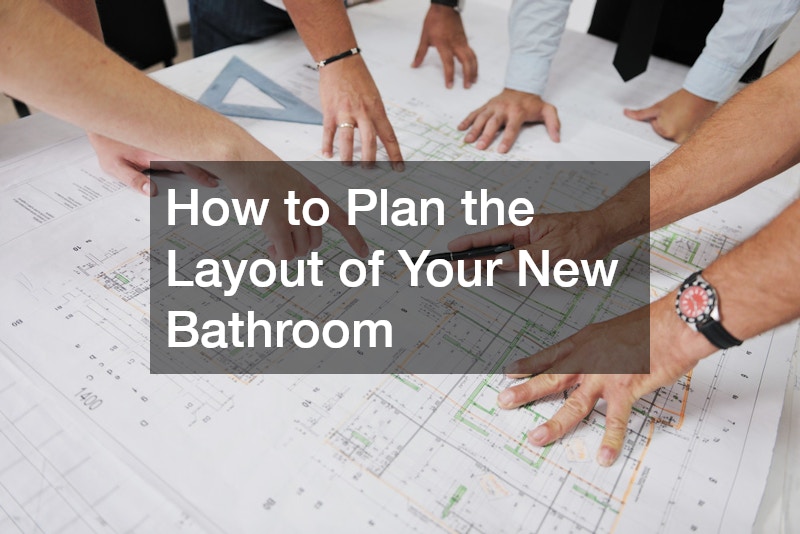
Before making changes, it’s important to evaluate your current bathroom layout. Assessing the existing space allows you to identify limitations, potential challenges, and opportunities for improvement. Consider how plumbing repair or modifications may affect the placement of fixtures such as sinks, toilets, or a new glass shower. Additionally, evaluating the available space can help determine the ideal size and configuration for custom cabinetry, which a bathroom cabinet contractor can design to maximize storage and efficiency.
Measuring accurately and creating a rough floor plan can provide a visual understanding of what works best. Take note of plumbing connections, heating service components, and any areas where heating oil lines or local oil delivery systems may intersect with the remodel. Understanding these factors upfront prevents costly adjustments later and ensures that your bathroom remodel makes the best use of available space while maintaining functionality.
Creating a Functional Flow
A successful bathroom remodel requires a layout that promotes a natural and functional flow. Consider how users will move through the space and interact with different elements, from sinks and showers to storage and heating zones. A glass shower should be placed to complement the room’s traffic patterns, while a bathroom cabinet contractor can strategically position cabinets to minimize congestion and optimize usability.
Creating a functional flow also involves thinking about lighting and ventilation. Proper placement of windows, vents, and artificial lighting can enhance comfort and usability. Even heating service considerations, such as efficient distribution of heating oil or coordination with local oil delivery, play a role in maintaining an optimal environment. Prioritizing flow ensures that your bathroom remodel not only looks appealing but also functions seamlessly for daily use.
What Materials Should I Use?
Selecting the Right Fixtures
Choosing fixtures is a critical part of a bathroom remodel. High-quality sinks, toilets, and showers contribute to both functionality and aesthetic appeal. Many homeowners opt for a glass shower for its modern look and durability, while others prefer classic materials that complement traditional designs. Engaging a bathroom cabinet contractor ensures that storage solutions integrate seamlessly with your fixtures, creating a cohesive and practical space.
Don’t overlook the role of plumbing repair in fixture selection. Ensuring that new fixtures are compatible with existing plumbing reduces the risk of issues later. Additionally, consulting with plumbers and heating service professionals helps confirm that water pressure, heating, and drainage are optimized. Thoughtful fixture selection combines beauty, convenience, and long-term reliability in your bathroom remodel.
Choosing Flooring and Wall Materials
Flooring and wall materials must balance style, durability, and water resistance. Ceramic and porcelain tiles are popular choices due to their longevity and ease of maintenance, while natural stone or vinyl options offer unique textures and designs. Proper installation by skilled contractors ensures that these surfaces remain water-resistant and safe.
Wall finishes also play a significant role. Moisture-resistant paints or tiles prevent damage from humidity, and a painting contractor can apply professional-grade coatings to extend their life. Coordinating with painting companies ensures even application and a polished finish. Considering heating service needs, such as radiant floor heating supplied through heating oil or local oil delivery systems, may also influence material selection. Choosing the right materials enhances both the aesthetic appeal and practicality of your bathroom remodel.
How to Ensure Proper Lighting and Ventilation

Importance of Natural Light
Natural light can transform a bathroom remodel, creating a sense of openness and comfort. Large windows, skylights, or strategically placed frosted glass panels allow sunlight to illuminate the space while maintaining privacy. Proper natural lighting complements other design elements, highlighting custom cabinetry installed by a bathroom cabinet contractor and showcasing the elegance of a glass shower.
Natural light also contributes to energy efficiency and can reduce dependence on artificial lighting during the day. Positioning windows to maximize sunlight may require minor plumbing repair adjustments or coordination with heating service components to avoid interfering with existing systems. By thoughtfully integrating natural light, your bathroom remodel becomes brighter, more inviting, and environmentally conscious.
Selecting Artificial Lighting
Artificial lighting is essential for tasks such as grooming and cleaning, as well as creating ambiance. Layering overhead lights, vanity lighting, and accent fixtures ensures a well-lit, functional space. Consider lighting that complements the reflective surfaces of tiles, glass showers, and polished countertops, enhancing both design and usability.
When selecting lighting, collaboration with professionals is key. A painting contractor can advise on finishes that enhance light reflection, while plumbers and heating service experts ensure that wiring and placement do not interfere with essential systems. Proper artificial lighting transforms your bathroom remodel into a space that is both beautiful and practical, meeting the demands of daily life.
What Are the Final Steps Before Completion?
Conducting a Final Inspection
A thorough final inspection ensures that all aspects of your bathroom remodel meet safety and quality standards. This includes verifying that plumbing repairs are complete, fixtures are installed correctly, and electrical and heating service components are functioning properly. Inspectors may check connections related to heating oil or local oil delivery systems to confirm compliance with safety regulations.
Final inspections also assess aesthetic details. Painting contractors ensure walls and ceilings are flawless, glass shower installations are secure, and custom cabinetry fits perfectly. Taking the time to conduct a careful inspection prevents future issues and ensures that the remodel provides long-lasting value and satisfaction.
Cleaning and Preparing for Use
Once the inspection is complete, cleaning and preparation make the bathroom ready for everyday use. Professional painters and contractors often provide a final cleaning to remove dust, debris, and protective coverings. Glass showers should be polished, and cabinets and fixtures wiped down to highlight their new finish.
Preparing for use also involves checking all systems, from plumbing and heating service to ventilation and lighting, ensuring everything functions seamlessly. If your bathroom remodel included updates to heating oil or local oil delivery systems, verify that these are fully operational. A well-prepared space allows homeowners to enjoy their renovated bathroom immediately, appreciating the improvements in both form and function.
A complete bathroom remodel is an opportunity to create a space that is both beautiful and highly functional. By carefully planning each stage—from assessing needs and setting a budget to choosing materials, planning layouts, and ensuring proper lighting and ventilation—homeowners can achieve a remodel that enhances daily life and adds value to their property. Collaborating with professionals, including plumbers, bathroom cabinet contractors, painting contractors, and heating service providers, ensures that the project runs smoothly and meets high standards.
Incorporating features such as a glass shower, custom cabinetry, and thoughtfully selected flooring and fixtures elevates the overall design. Even practical considerations, like heating oil or local oil delivery for hydronic systems, can influence comfort and efficiency. By following these essential steps, homeowners can enjoy a bathroom remodel that balances style, function, and durability. The end result is a space that reflects personal taste, meets family needs, and provides a lasting sense of satisfaction and pride in the home.