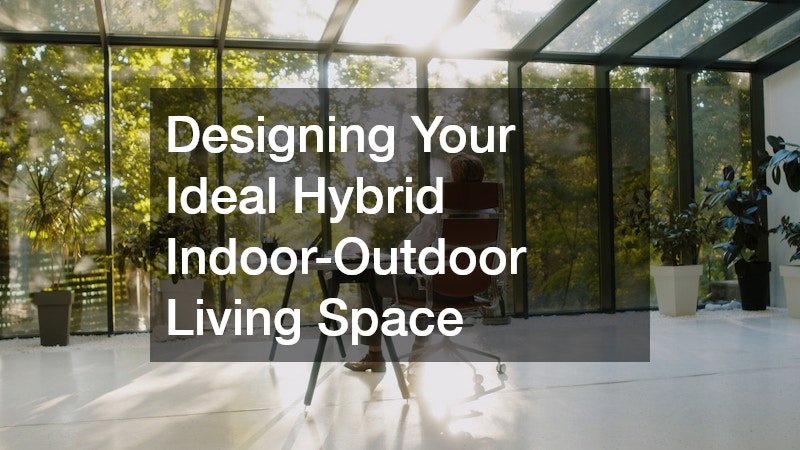
The boundary separating where a house ends and nature begins has fundamentally shifted. For generations, residential architecture relied on rigid boundaries: thick walls, heavy doors, and small windows that intentionally isolated the interior from the elements. Today, the modern home is evolving into a fluid, nature-connected sanctuary. Bridging the gap between your indoor rooms and your outdoor landscape does more than just expand your usable square footage; it radically alters how you experience your home, maximizes natural airflow, and significantly improves daily mental well-being.
True hybrid living is far more sophisticated than simply placing a weather-resistant sofa on a deck or setting up a dining table near a back door. Achieving a seamless flow between indoor and outdoor spaces requires architectural mastery, not just surface-level solutions. This integration involves architectural continuity, which ensures that design elements like flooring, color schemes, and textures flow from inside to outside without abrupt changes. Intentional material choices, such as weather-resistant yet aesthetically pleasing woods, stones, and metals, contribute to a cohesive look that withstands the elements while enhancing visual harmony. It is an exercise in creating a middle ground—a functional transition zone where the comfort of the indoors meets the freedom of the open air.
Focus on Flush Thresholds and Continuous Flooring

To create a flawless transition, you must address the floor beneath your feet. Eliminating traditional step-downs completely tricks the brain into viewing the patio as an extension of the living room.
- Implement flush tracks: Utilize recessed track systems for your exterior doors. These tracks sit entirely level with both your interior flooring and your outdoor decking, removing tripping hazards and visual breaks.
- Prioritize drainage: Because a flush threshold removes the natural barrier against driving rain, ensure your contractor integrates a concealed trench drain directly beneath or in front of the door track to capture and redirect water away from your home’s subfloor.
- Establish material synergy: Select materials that mirror or closely complement one another. For instance, you can run large-format interior porcelain tiles straight into an exterior courtyard.
- Call in the specialists: Achieving a perfectly level, beautifully graded transition requires heavy hardscaping expertise. Partnering with professional paving companies ensures your outdoor stone, pavers, or stamped concrete are excavated to the precise depth, properly graded for water runoff, and completely stable over the long term.
Maximize Natural Light and Unobstructed Sightlines
Visual continuity is just as vital as physical continuity. Even when the weather forces you to keep the doors closed, your eyes should be able to travel into the backyard without interruption.
- Ditch standard back walls: Replace traditional windows and standard exterior doors with expansive multi-slide, pocketing, or bi-fold glass door systems that can open up completely across a fifteen- or twenty-foot span.
- Invest in high-performance glass: Large expanses of glass can introduce massive thermal efficiency challenges, either trapping heat like a greenhouse or leaking warmth during winter. Working with a vendor specializing in custom glass allows you to select double- or triple-paned units equipped with low-emissivity coatings and argon gas fills to regulate indoor temperatures while providing crystal-clear transparency.
- Incorporate frameless glass corners: If your budget allows, a structural glass-to-glass corner window entirely removes corner posts, opening up panoramic views of your landscape and making the indoor ceiling feel as though it extends endlessly into the sky.
Implement Adaptable Overhead Coverings
The right overhead shelter defines the boundaries of your outdoor room while shielding you from harsh weather. The choice between a completely solid structure and a flexible covering depends on your local climate and how much natural light you want to let into your main house.
- Opt for louvered roof systems: Motorized aluminum louvers are highly versatile. You can rotate them open to let in dappled sunlight and encourage ventilation, or close them completely to form an interlocking, watertight roof during an unexpected rainstorm.
- Utilize flexible fabric options: If you prefer a structure that can completely disappear when you want full sun exposure, a professional awning company can design and install heavy-duty, motorized retractable canopies or drop-down solar shades that cut wind and glare at the touch of a button.
- Integrate permanent architectural extensions: Extending your home’s actual architecture out over a portion of the terrace provides a deeply integrated, cozy feel that perfectly mimics an indoor living room ceiling.
Blend Closed and Open Concepts Seamlessly

Sometimes, a simple overhead cover isn’t enough to keep the elements at bay. Building a multi-season buffer zone gives you a secondary layer of protection against biting winter winds or aggressive summer insects.
- Design a transitional buffer room: Incorporating high-quality sunrooms into your layout creates a protected, glass-enclosed space that acts as a bridge between your core climate-controlled interior and the completely open elements. These rooms catch warmth from winter sunlight, providing a cozy place to sit surrounded by nature even when temperatures drop below freezing.
- Install motorized insect screens: Hidden, drop-down motorized mesh screens can be recessed directly into your patio beams. With a remote control, you can drop the screens during humid summer evenings to block mosquitoes, then roll them completely out of sight during the crisp fall afternoon.
- Layer your climate control: Do not rely on nature alone to keep the space comfortable. Install flush-mounted infrared heaters into your patio ceilings for cooler months, and pair them with high-output, damp-rated outdoor ceiling fans to keep air moving during stifling summer days.
Match Exterior Textures to Interior Elements
One of the easiest ways to confuse the eye into seeing a singular, massive space is to extend your interior wall finishes right past the glass threshold and onto your exterior perimeter walls.
- Continue accent walls: If you have an interior feature wall made of natural stone veneer, cedar shiplap, or micro-cement, continue that exact same material onto the patio wall. When the glass doors slide away, the wall will appear as one uninterrupted structural element.
- Protect the building envelope: Altering exterior walls to fit massive sliding doors or extending interior finishes outward requires piercing your home’s original protective weather barrier. It is crucial to coordinate this step with professional siding services to make certain that all house wraps, flashing kits, flashing tapes, and moisture barriers are perfectly sealed against wind and driving rain.
- Coordinate furniture styles: Do not use formal, delicate furniture indoors and cheap plastic furniture outdoors. Choose interior and exterior furniture collections that feature similar profiles, color palettes, and wood grains to maintain a unified aesthetic across the entire zone.
Align the Roofline for Visual Harmony
A poorly planned patio cover that looks tacked onto the back of a house instantly cheapens the aesthetic of your property. True hybrid luxury requires matching the existing angles, materials, and scale of your primary residence.
- Extend existing pitches:Rather than attaching a flat, low-slung aluminum patio cover below your home’s gutters, design your outdoor living roof to match or elegantly complement the current roof pitch of your house.
- Ensure seamless transitions: Work with professional roofing services to tie the new patio roof structure directly into your existing rafters, ensuring the shingles, metal panels, underlayments, and valley flashing are properly woven together to prevent devastating leaks.
- Expose structural rafter tails: If your home features an open-rafter craftsman style or a clean modern aesthetic, carrying those same structural roof details out over the patio reinforces the design narrative and makes the addition look completely original to the home.
- Match fascia and soffit trim: Use identical dimensions and materials for the trim boards on both your main roofline and your new patio cover to create a unified architectural profile.
Design a Multi-Layered Lighting and Power Scheme

Outdoor lighting should never feel clinical or overwhelming. Avoid the temptation to install single, blinding floodlights; instead, approach the outdoor space with the same nuanced lighting design you would use for a luxury living room.
- Layer your illumination: Combine recessed ceiling downlights on dimmer switches with low-voltage step lights for safety, subtle path lighting, and soft uplighting hidden within nearby landscaping to create depth and eliminate dark corners.
- Conceal your power sources: Install flush-mounted, paintable weatherproof outlets into your patio columns, deck steps, or stone walls so you can plug in laptops, phones, or seasonal decorations without running unsightly extension cords.
- Prioritize safety and expertise: Water and electricity are a deadly combination. Working with a certified residential electrician is non-negotiable for running dedicated circuits, installing properly rated weatherproof boxes, grounding your exterior entertainment systems, and ensuring all outdoor lines are fully protected by ground fault circuit interrupters.
Build a High-Functioning Outdoor Scullery or Kitchen
Running back and forth to your indoor kitchen for a forgotten fork or a cup of water ruins the relaxed rhythm of outdoor entertaining. A dedicated outdoor kitchen keeps the chef anchored in the conversation.
- Keep utilities clustered: Whenever possible, position your outdoor kitchen directly against the exterior wall of your indoor kitchen or utility room. This back-to-back configuration drastically shortens utility runs and saves significant construction costs.
- Select durable finishes: Stick to marine-grade stainless steel, concrete, or engineered quartz countertops that can handle direct sunlight, thermal shock, and regular pressure washing without cracking or fading.
- Secure your water infrastructure: Bringing a functional sink, ice maker, or small dishwasher outside requires precise utility planning. Enlisting a licensed plumbing service is essential to properly tie your outdoor drainage into your home’s main waste line, run clean water supply pipes, and install accessible shut-off valves so you can easily drain the lines to prevent bursting during freezing weather.
Create Living Boundaries and Structural Privacy
Privacy should not feel claustrophobic. Instead of erecting a massive, sterile wall that blocks out precious sunlight and airflow, focus on layered, semi-permeable boundaries that offer seclusion while remaining breezy and natural.
- Utilize architectural screening: Install horizontal slatted screens, laser-cut metal panels, or open-grid trellises. These structures block direct lines of sight from neighboring windows while allowing dappled sunlight and fresh air to drift across your patio.
- Hire specialized exterior builders: Building strong, attractive, and code-compliant perimeter structures requires a deep understanding of local wind loads and soil conditions. Working closely with experienced fencing contractors allows you to build custom wood, composite, or masonry barriers that match your home’s architectural lines while providing a solid backdrop for your outdoor room.
- Incorporate sound masking features: Integrate a simple recirculating water wall or a stone bubbling fountain near your sitting area. The soothing sound of moving water naturally masks neighborhood traffic and ambient chatter, making your outdoor living room feel like a secluded oasis.
Frame the View with Purposeful Greenery
Your backyard shouldn’t just sit next to your hybrid space; it should active participate in it. Proper tree and plant management ensures that your outdoor room feels beautifully anchored within its natural environment.
- Incorporate vertical green walls: Install living walls packed with ferns, succulents, or culinary herbs directly onto your patio structural walls. This brings vibrant life and natural air purification directly into the seating area.
- Establish sightline harmony: Look out from your primary indoor seating area and identify any overgrown branches or cluttered brush that obscure your view of the garden or sky. Clean, open lines of sight draw the eye forward and expand the perceived size of your home.
- Manage your overhead canopy: Large, mature trees provide invaluable shade, but they can also drop debris on your new roof or pose a structural hazard during high winds. Booking professional local tree services to carefully prune deadwood, thin out dense canopies, and elevate low-hanging limbs will safely let optimal, dappled light filter down onto your hybrid living space.
Designing a hybrid indoor-outdoor living space is one of the most rewarding transformations you can bring to your home. By treating your patio, deck, or terrace with the same architectural respect and functional detail as an interior room, you unlock an entirely new way of experiencing your property. The key to success lies in the details: achieving flush thresholds, ensuring structural and material continuity across the building envelope, deploying safe and robust utility lines, and framing the entire space within a beautifully managed landscape. With careful planning and the right professional expertise, you can create a seamless, four-season sanctuary that beautifully blends the absolute comfort of the indoors with the inspiring freedom of the natural world.